Beyond Basic Needs
For decades, services for adults with I/DD have focused primarily on housing, safety, and basic medical needs. While these are critical, emotional wellness often gets left behind.
Why Mental Health Support Matters
- Emotional regulation impacts independence.
- Therapy supports relationships and community engagement.
- Addressing mental health reduces challenging behaviors often mislabeled as “noncompliance.”
Practical Supports
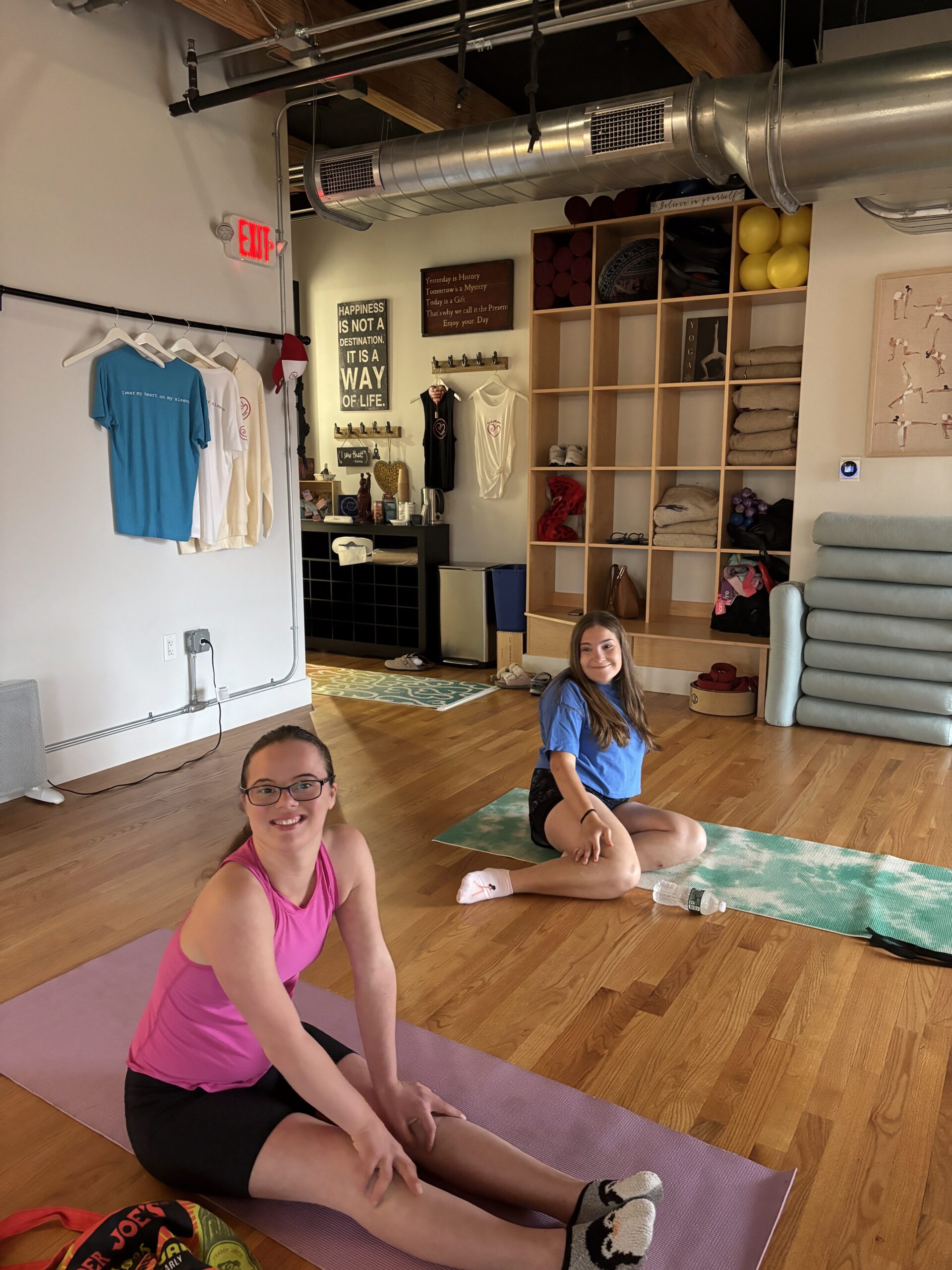
- Therapeutic Programming: Counseling, support groups, and expressive therapies (art, music, movement).
- Daily Coping Tools: Breathing, mindfulness, and structured communication supports.
- Community Inclusion: Friendships and social groups reduce isolation.
Takeaway: Supporting emotional health allows adults with I/DD to thrive—not just survive.
Follow us on @thetherapygardennj and @leadwithluisa for more info!