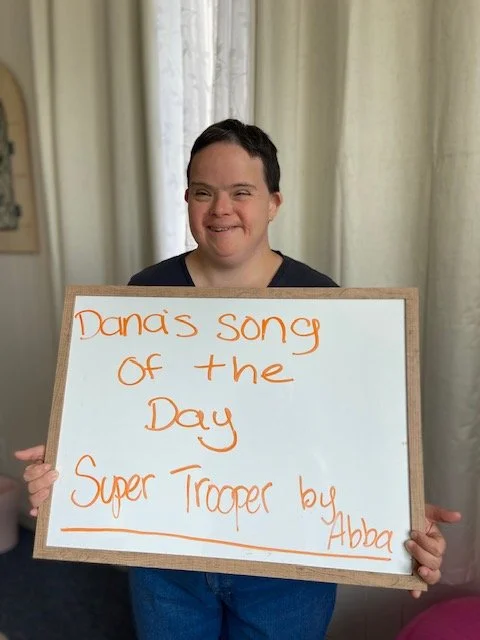
In the realm of speech therapy, the essence of successful and meaningful interactions lies in person-centered care. This approach places the individual at the heart of therapy, fostering a supportive and empowering environment for those with intellectual and developmental disabilities (IDD). When working with adults in this population, it becomes paramount to celebrate their uniqueness, embrace their abilities, and advocate for their goals. In this blog post, we will explore the significance of person-centered care in speech therapy sessions and how it can enrich the lives of these extraordinary individuals.
Understanding Person-Centered Care:
Person-centered care, at its core, revolves around recognizing and valuing the person as an individual with their own experiences, preferences, and aspirations. For adults with IDD, it means acknowledging that they possess unique strengths and challenges, and their journey towards communication and language development may differ from others. Adopting this approach opens the door to meaningful therapeutic relationships and allows for tailored interventions that cater to their specific needs and abilities.
Building Trust and Connection:
Creating a safe and welcoming space is the cornerstone of person-centered care. For individuals with IDD, who may have faced barriers and misunderstandings in the past, trust is paramount. Establishing rapport with patience, empathy, and active listening sets the stage for a therapeutic alliance built on mutual respect. It is essential to remember that effective communication extends beyond verbal expression, and as speech therapists, we must be receptive to non-verbal cues and alternative communication methods.
Uncovering Individual Goals:
Each adult with IDD has their own unique aspirations and potential. One of the key aspects of person-centered care is involving the individual in goal-setting. While certain goals may align with traditional speech therapy objectives, it is equally vital to incorporate personal ambitions and interests into the therapy plan. Engaging adults with IDD in the process empowers them to take ownership of their journey, reinforcing a sense of agency and self-determination.
Tailoring Interventions:
Traditional speech therapy techniques may need to be adapted to cater to the individual’s communication style and learning preferences. Some adults with IDD may excel in visual learning, while others may respond better to interactive activities. Utilizing augmentative and alternative communication (AAC) tools can also be instrumental in fostering expression and comprehension. By customizing interventions to suit the person’s strengths, progress becomes more tangible, leading to increased motivation and engagement.
Celebrating Progress:
In a person-centered care approach, celebrating even the smallest achievements becomes significant. For adults with IDD, progress can sometimes be gradual, but each milestone deserves recognition and praise. By focusing on the journey rather than solely on outcomes, we instill a sense of accomplishment and self-worth in the individuals we work with. Moreover, acknowledging progress bolsters their confidence, encouraging further growth and development.
Collaboration with Support Networks:
Person-centered care in speech therapy extends beyond individual sessions. Engaging with the broader support network, including family members, caregivers, and other professionals, ensures a holistic approach to communication development. Sharing knowledge, insights, and strategies helps create a unified and consistent support system that maximizes the potential for success.
Embracing person-centered care in speech therapy sessions with adults who have intellectual and developmental disabilities is an impactful way to enrich their lives and foster meaningful progress. By acknowledging the uniqueness of each individual, building trust, setting personalized goals, and celebrating achievements, speech therapists can create a nurturing environment that empowers and supports these exceptional individuals on their communication journey. Together, we can pave the way for stronger connections, improved self-expression, and increased confidence, enabling them to thrive in all aspects of life.